Stem Cell & Regenerative Medicine Master Hub 2026
Last updated: November 2026
Stem cell research and regenerative medicine are transforming our understanding of human biology, tissue repair, cellular engineering and the treatment of disease. From bone marrow transplantation and blood disorders to induced pluripotent stem cells, engineered immune cells, tissue engineering and regenerative biotechnology, the field represents one of the most exciting areas of modern biomedical research.
However, there is a substantial difference between what scientists have demonstrated in laboratories, what has shown promise in clinical trials, what has received regulatory approval, and what is routinely accepted as medical practice.
The purpose of this guide is to make those distinctions clear.
Welcome to the Stem Cell & Regenerative Medicine Knowledge Hub by Stem Cell Advisor. We bring together the science, clinical evidence, research developments, biotechnology companies, regulatory frameworks and patient resources needed to understand this rapidly evolving field.
Scientific potential should not be confused with established clinical benefit. We support responsible innovation, evidence-based medicine, patient safety and informed decision-making. Regenerative medicine should complement established medical care when appropriate, not replace proven treatment with unvalidated alternatives.
CONTENTS
- Understanding Stem Cells and Regenerative Medicine
- Types of Stem Cells
- Where Do Stem Cells Come From?
- Regenerative Medicine Technologies
- Clinical Applications and Disease-Specific Evidence
- Where Stem Cell Treatments Are Established
- Investigational and Emerging Treatments
- CAR-T, CAR-NK and Other Cellular Therapies
- Exosomes and Extracellular Vesicles
- Understanding Clinical Evidence
- Clinical Trials and Research
- Stem Cell Therapy: Risks and Safety
- Regulatory Approval and Guidelines
- Stem Cell Therapy in Malaysia
- Cord Blood Banking and Stem Cell Registries
- Stem Cell Clinics and Treatment Providers
- Stem Cell and Regenerative Medicine Companies
- The Future of Regenerative Medicine
- Patient Decision-Making Guide
- Frequently Asked Questions
1. Understanding Stem Cells and Regenerative Medicine
Stem cells are specialized cells characterized by their ability to self-renew and, depending on their type, differentiate into one or more specialized cell types.
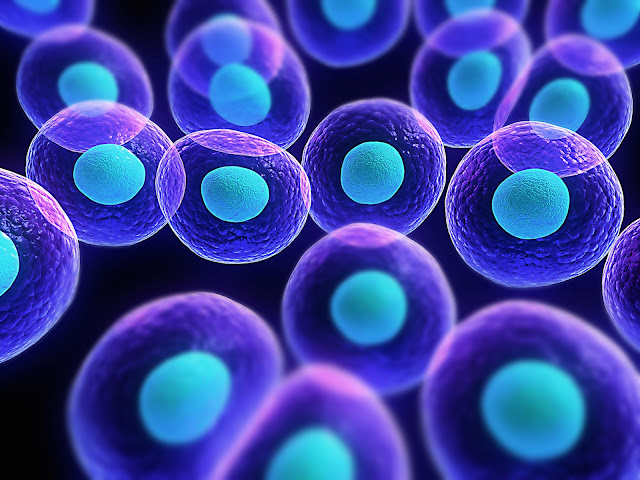
They play important roles in embryonic development, tissue maintenance, blood-cell production and tissue repair.
Two important properties distinguish stem cells:
- Self-renewal: The ability to produce additional cells that retain stem-cell characteristics.
- Differentiation: The ability to develop into specialized cells with specific biological functions.
Regenerative medicine is a broader medical and biotechnology discipline that seeks to repair, replace or regenerate damaged cells, tissues and organs.
It includes several different approaches:
- Stem cell transplantation and cellular therapies.
- Tissue engineering and biomaterials.
- Gene and cell engineering.
- Regenerative biologics and growth factors.
- Extracellular vesicles and cell-derived products.
- Organ and tissue regeneration research.
Importantly, not every regenerative medicine intervention is a stem cell treatment, and not every stem cell intervention has demonstrated regenerative benefit in humans.
2. Types of Stem Cells
2.1 Embryonic Stem Cells
Embryonic stem cells are derived from the early embryo and are pluripotent, meaning they can develop into nearly all cell types of the human body.
They offer important opportunities for developmental biology, disease modelling, drug discovery and regenerative medicine research. Their use also raises ethical, technical and safety considerations.
2.2 Adult Stem Cells
Adult stem cells are found in various developed tissues. They generally have more restricted differentiation potential than embryonic stem cells.
Examples include:
- Hematopoietic stem cells (HSCs): responsible for producing blood and immune cells.
- Mesenchymal stromal cells (MSCs): cells studied for their immunomodulatory and tissue-supporting properties.
- Neural stem cells: cells associated with nervous system development and maintenance.
- Intestinal stem cells: responsible for renewing the intestinal epithelium.
- Skin stem cells: involved in epidermal and hair follicle renewal.
2.3 Mesenchymal Stromal Cells (MSCs)
MSCs are among the most widely investigated cell populations in regenerative medicine.
They can be isolated from bone marrow, adipose tissue, umbilical cord tissue and other sources.
MSCs have attracted interest because of their ability to influence inflammatory responses, immune activity, tissue repair and cellular signalling.
However, it is important not to assume that injected MSCs automatically become new cartilage, nerve cells, heart muscle or other target tissues. Their biological activity is complex and often involves paracrine and immunomodulatory mechanisms.
MSC products may also differ substantially in their source, manufacturing process, cellular characteristics, potency and clinical evidence.
2.4 Induced Pluripotent Stem Cells (iPSCs)
Induced pluripotent stem cells are adult cells that have been reprogrammed into a pluripotent state through molecular techniques.
They offer an important alternative platform for studying disease, testing medicines, developing patient-specific cellular models and investigating future regenerative treatments.
Major challenges include genomic stability, differentiation control, immune compatibility and the prevention of unwanted cell growth.
Related reading: Stem Cell Basics: What You Need to Know.
3. Where Do Stem Cells Come From?
Different stem cell sources have different biological properties, clinical applications, manufacturing requirements and safety considerations.
| Source | Important Characteristics | Research Applications |
|---|---|---|
| Bone marrow | Contains hematopoietic stem cells and other cell populations. | Blood disorders and MSC research. |
| Peripheral blood | HSCs can be mobilized and collected from circulation. | Hematopoietic transplantation. |
| Umbilical cord blood | A source of blood-forming stem and progenitor cells. | Selected blood and immune disorders. |
| Umbilical cord tissue | A source of stromal cell populations. | MSC and regenerative medicine research. |
| Adipose tissue | Contains adipose-derived stromal and other cell populations. | Orthopedic and tissue repair research. |
| Placenta | Contains various cell populations and biological materials. | Cell biology and regenerative research. |
| Dental pulp | Contains populations of tissue-associated stem cells. | Dental and tissue regeneration research. |
| Embryonic sources | Pluripotent cells. | Developmental biology and regenerative research. |
The source alone does not establish treatment quality. Cell identity, manufacturing, viability, purity, potency, sterility, dose and clinical evidence all matter.
4. Regenerative Medicine Technologies
Regenerative medicine is a rapidly expanding field encompassing several related but distinct technologies.
4.1 Stem Cell Transplantation
Transplantation introduces hematopoietic or other defined cell populations into patients for specific clinical indications. Hematopoietic stem cell transplantation is an established treatment for selected blood cancers, marrow disorders and inherited diseases.
4.2 Mesenchymal Stromal Cell Therapy
MSCs are being evaluated for immunomodulation, inflammatory disease, tissue injury and other conditions. The clinical evidence varies significantly across indications and products.
4.3 Induced Pluripotent Stem Cell Technology
iPSC technology creates opportunities for disease modelling, laboratory-generated tissues and future cell replacement strategies.
4.4 Tissue Engineering
Tissue engineering combines cells, biomaterials, scaffolds and biological signals to develop or repair tissue structures.
4.5 Gene and Cell Engineering
Gene-editing technologies can modify cells to correct genetic defects or improve their therapeutic functions. Some approaches combine gene modification with cell transplantation.
4.6 Platelet-Rich Plasma (PRP)
PRP is produced from a patient's blood and contains concentrated platelets and associated biological signalling molecules. It is not a stem cell therapy.
4.7 Extracellular Vesicles and Exosomes
Extracellular vesicles are membrane-bound particles released by cells that carry proteins, lipids and nucleic acids. They are being studied as biological messengers and potential therapeutic delivery platforms. They are not living stem cells.
5. Clinical Applications and Disease-Specific Evidence
One of the biggest challenges in understanding regenerative medicine is that the clinical evidence differs substantially between diseases.
A treatment that is established for one indication cannot automatically be considered effective for another condition simply because it uses the same cell type.
5.1 Blood Cancers and Hematological Disorders
Hematopoietic stem cell transplantation is an established treatment for selected conditions, including:
- Acute myeloid leukemia.
- Acute lymphoblastic leukemia.
- Selected lymphomas.
- Myelodysplastic syndromes.
- Aplastic anemia.
- Thalassemia.
- Selected inherited immune deficiencies.
Transplantation may involve autologous or allogeneic stem cells, depending on the disease, treatment strategy and availability of a suitable donor.
5.2 Osteoarthritis and Orthopedic Conditions
Stem cell research in orthopedics includes the investigation of bone marrow-derived cells, adipose-derived cells, MSC preparations and other biological approaches.
Areas under investigation include:
- Knee osteoarthritis.
- Cartilage injuries.
- Tendon injuries.
- Ligament injuries.
- Degenerative disc disease.
- Bone defects and fracture healing.
Although clinical studies have reported potential benefits in selected settings, differences in cell processing, injection protocols, outcomes and study quality make it difficult to establish consistent effectiveness.
Commercial availability should not be confused with regulatory approval or proven superiority over established orthopedic treatments.
5.3 Neurological Disorders
Stem cell research is investigating potential applications in:
- Parkinson's disease.
- Stroke.
- Spinal cord injury.
- Multiple sclerosis.
- Amyotrophic lateral sclerosis (ALS).
- Alzheimer's disease.
- Spinal muscular atrophy.
- Traumatic brain injury.
These conditions have different underlying biological mechanisms. Some approaches target nerve cell replacement, while others investigate immune modulation, tissue protection or repair.
Most commercial MSC or stem cell injections promoted for these neurological conditions should be regarded as investigational unless a product has specific regulatory authorization for the exact indication.
5.4 Diabetes and Metabolic Disorders
Research includes pancreatic islet cell replacement, stem-cell-derived insulin-producing cells and approaches to protect or restore pancreatic beta-cell function.
Type 1 diabetes and type 2 diabetes involve different biological processes. Cell replacement approaches for insulin-producing cells should not be interpreted as an established cure for all forms of diabetes.
5.5 Cardiovascular Diseases
Researchers are investigating cellular and tissue-engineering approaches for:
- Heart muscle injury following myocardial infarction.
- Heart failure.
- Cardiomyopathy.
- Peripheral vascular disease.
Despite encouraging laboratory and early clinical research, broad claims of heart regeneration through commercially marketed stem cell injections remain unproven.
5.6 Liver and Kidney Diseases
Potential applications include liver regeneration, kidney injury, fibrosis and organ repair. Most cellular treatment approaches remain under investigation and are not replacements for established specialist care.
5.7 Autoimmune and Inflammatory Diseases
Research includes MSC-based immune modulation and hematopoietic stem cell transplantation for selected autoimmune conditions.
These are distinct approaches. For example, autologous hematopoietic transplantation may be considered in carefully selected patients with severe autoimmune diseases, whereas MSC injections are a different intervention with their own evidence requirements.
5.8 Anti-Aging, Aesthetics and Hair Restoration
Stem cell-derived products, MSCs, exosomes and other biologics are increasingly marketed for cosmetic rejuvenation, hair restoration and anti-aging.
However, biological plausibility and early research do not establish that these treatments reverse human aging, reliably restore hair growth or provide long-term systemic benefits.
Claims of rejuvenation, organ regeneration or lifespan extension require considerably stronger clinical evidence.
6. Where Stem Cell Treatments Are Established
It is important to recognize that stem cell transplantation is not experimental as a whole. Some forms have been used successfully in established medical practice for decades.
One of the strongest examples is hematopoietic stem cell transplantation (HSCT).
HSCT is used in selected patients with:
- Leukemia and other hematological malignancies.
- Bone marrow failure syndromes.
- Thalassemia and selected inherited blood disorders.
- Severe immune deficiencies.
- Selected inherited metabolic disorders.
However, outcomes depend on disease type, stage, donor compatibility, conditioning regimens, infection risks and other clinical factors.
Another important example is the FDA approval of Ryoncil (remestemcel-L-rknd), an allogeneic bone marrow-derived mesenchymal stromal cell therapy for steroid-refractory acute graft-versus-host disease in pediatric patients aged two months and older.
This approval is significant, but it is specific to a defined disease and patient population. It does not mean that commercially marketed MSC injections are approved for arthritis, neurological disorders, anti-aging or other unrelated conditions.
Key principle: Approval applies to a particular product, manufacturing process, dose, route of administration and medical indication, not to an entire category of stem cells.
7. Investigational and Emerging Treatments
Many regenerative medicine approaches have shown promise in laboratory experiments and early human research but have not yet established reliable clinical benefit.
| Research Area | Main Scientific Objective | General Clinical Position |
|---|---|---|
| MSCs for osteoarthritis | Modulate inflammation and support tissue repair. | Evidence varies; not universally established. |
| Stem cells for stroke | Investigate neuroprotection and repair. | Investigational. |
| Stem cells for Parkinson's | Replace or restore dopamine-producing neurons. | Emerging clinical research. |
| Stem-cell-derived islet cells | Restore insulin-producing cell populations. | Rapidly developing research; product-specific status matters. |
| MSC therapy for autoimmune diseases | Modulate abnormal immune responses. | Indication-specific clinical evidence. |
| Stem-cell-derived cardiac cells | Repair damaged heart tissue. | Investigational. |
| iPSC-derived tissues | Generate specialized patient-relevant cells. | Emerging clinical translation. |
The distinction between an early clinical signal and a proven treatment is especially important when interpreting announcements from biotechnology companies.
8. CAR-T, CAR-NK and Other Cellular Therapies
Modern cellular medicine extends beyond traditional stem cell transplantation.
Several technologies use living immune cells that are collected, modified or expanded and then administered to patients.
8.1 CAR-T Cell Therapy
Chimeric antigen receptor T-cell therapy involves collecting T lymphocytes, genetically engineering them to recognize specific targets and returning them to the patient.
CAR-T therapies have achieved important clinical advances in selected blood cancers, including certain leukemias, lymphomas and multiple myeloma.
8.2 CAR-NK Cell Therapy
CAR-NK therapy uses natural killer cells engineered to recognize and attack selected targets. It is an emerging area of cellular immunotherapy research.
8.3 Tumor-Infiltrating Lymphocyte Therapy
TIL therapy involves isolating immune cells that have infiltrated a patient's tumor, expanding them and administering them back to the patient.
8.4 Regulatory T-Cell Therapy
Regulatory T cells are being developed for their ability to control immune responses and potentially manage autoimmune disorders or transplantation-related complications.
These approaches should be classified under cellular immunotherapy, not automatically grouped with conventional MSC or hematopoietic stem cell treatments.
Related reading: CAR-T Cell Therapy Companies.
9. Exosomes and Extracellular Vesicles
Exosomes are a type of extracellular vesicle released by cells. They can transport proteins, lipids and nucleic acids that influence the activity of recipient cells.
MSCs are among the cell types studied as potential sources of therapeutic extracellular vesicles.
Research areas include:
- Drug and molecular delivery.
- Inflammation and immune regulation.
- Neurological disease research.
- Cancer biology and diagnostics.
- Tissue repair and wound healing.
- Regenerative dermatology.
There are two important distinctions:
- Exosomes are not stem cells. They are cell-derived biological particles.
- Clinical results from cell therapy cannot automatically be transferred to exosome products derived from those cells.
Manufacturing, purity, particle characterization, cargo composition, potency, sterility and delivery methods are major technical challenges in this field.
The US FDA has warned about unapproved exosome products marketed for disease treatment. As of the FDA's published safety position, it states that there are no FDA-approved exosome products for therapeutic use.
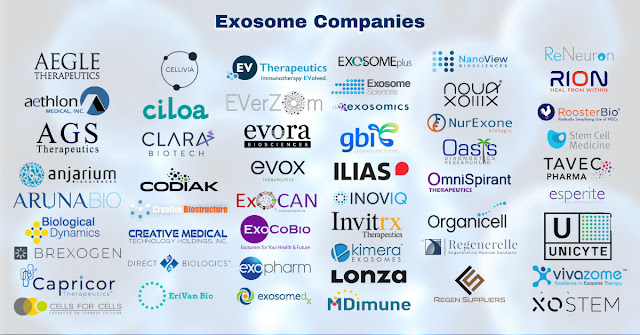
Related reading: Exosome Companies Worldwide.
10. Understanding Clinical Evidence
Not all stem cell studies provide the same level of evidence.
To avoid confusing experimental findings with proven medical benefits, Stem Cell Advisor uses the following editorial evidence framework.
| Level | Evidence Stage | Interpretation |
|---|---|---|
| E0 | Biological hypothesis | Mechanistic rationale, proposed biological pathways or theoretical applications. |
| E1 | Preclinical research | Cell culture, laboratory experiments and animal studies. |
| E2 | Early clinical evidence | Phase I or early Phase II trials, small studies and case series. |
| E3 | Controlled clinical evidence | Well-designed controlled trials and comparative clinical studies. |
| E4 | Replicated evidence | Consistent findings from multiple good-quality trials and systematic reviews. |
| E5 | Established clinical practice | Treatment supported by an established indication-specific evidence base and accepted clinical practice. |
Note: This is an editorial classification for organizing evidence, not an official regulatory or GRADE classification. Regulatory authorization is assessed separately. A treatment may have regulatory approval based on a particular evidence pathway without automatically achieving the same level of evidence across other indications.
Every treatment should be evaluated according to:
- Cell type and source.
- Cell-processing and manufacturing method.
- Study population and clinical indication.
- Study design and control group.
- Sample size and follow-up duration.
- Primary and secondary outcomes.
- Adverse events and long-term safety.
- Independent replication.
- Regulatory authorization and clinical guideline recommendations.
Our evidence reviews should prioritize peer-reviewed studies, randomized controlled trials, systematic reviews, clinical guidelines and regulatory documents.
11. Clinical Trials and Research
Clinical trials are essential for determining whether an experimental cellular product is safe and effective.
Clinical Development Stages
- Preclinical research: Laboratory and animal testing before human clinical evaluation.
- Phase I: Initial human safety, tolerability and dose-related evaluation.
- Phase II: Preliminary efficacy and further safety evaluation.
- Phase III: Larger studies designed to confirm efficacy and evaluate safety.
- Post-marketing surveillance: Continued assessment after regulatory authorization.
Not all regenerative medicine products follow an identical pathway. Some cell therapies have complex development requirements, and certain regulatory pathways may rely on different types of clinical evidence.
Clinical trial registration does not mean a treatment has been approved, proven effective or independently validated.
Useful Research Databases
- PubMed: Stem Cell Research
- ClinicalTrials.gov: Stem Cell Studies
- ISSCR Guide to Stem Cell Treatments
- ISSCR Scientific Resources
12. Stem Cell Therapy: Risks and Safety
Stem cell treatments are not risk-free. Their safety depends on the cell source, manufacturing quality, method of administration, treatment indication, patient characteristics and clinical setting.
Potential Risks
- Infection: Contamination can occur during collection, processing, storage or administration.
- Immune reactions: Donor-derived cells can trigger immune responses.
- Abnormal cell growth: Unwanted proliferation or tumor formation is a concern for certain cellular products.
- Unintended tissue formation: Cells may differentiate or behave in unexpected ways.
- Administration complications: Injection or infusion can produce local and systemic complications.
- Thrombotic or embolic complications: Certain intravascular cellular preparations and delivery procedures require careful evaluation.
- Manufacturing variability: Different batches may not have identical characteristics or potency.
- Delayed standard treatment: An unproven intervention may delay effective medical care.
Unapproved cellular products have been associated with serious safety reports, including infections, visual injuries and other adverse outcomes.
In November 2026, the FDA reiterated its warning regarding unapproved human cell and tissue products following reports of serious adverse events, including a reported death involving an imported placental tissue-derived product. This illustrates the importance of product quality, regulatory oversight and independent safety assessment.
Warning Signs of Unproven Treatment Marketing
- Promises of guaranteed recovery or permanent cures.
- Claims to treat dozens of unrelated diseases with one product.
- Claims that a treatment can reverse aging or regenerate every organ.
- Statements that no clinical trials or regulatory approval are necessary because cells come from the patient's own body.
- Vague descriptions of the exact cell product and manufacturing process.
- Use of celebrity testimonials instead of published clinical evidence.
- Claims that a treatment is internationally approved without identifying the product and indication.
- Pressure to pay large sums before receiving independent medical advice.
13. Regulatory Approval and Guidelines
Regulatory approval is one of the most important distinctions in regenerative medicine.
Different countries have different requirements for the collection, processing, manufacture, clinical investigation and marketing of cellular products.
13.1 United States: FDA
The US Food and Drug Administration regulates many human cell, tissue and cellular or tissue-based products, as well as cellular and gene therapy products.
Its public list of licensed cellular and gene therapy products includes several distinct classes, including hematopoietic cell products, engineered cellular therapies and other advanced biological products.
An important example is Ryoncil (remestemcel-L-rknd), approved in December 2024 for steroid-refractory acute graft-versus-host disease in pediatric patients aged two months and older.
FDA approval of one cellular product does not establish approval of other products made from the same general cell type.
FDA: Approved Cellular and Gene Therapy Products
FDA: Ryoncil Product Information
13.2 Malaysia: NPRA and Ministry of Health
Malaysia has specific national guidance covering stem cell and cell-based research, transplantation and cell and gene therapy products.
Important references include:
- NPRA: Guidance Document and Guidelines for Registration of Cell and Gene Therapy Products, Second Edition, September 2025.
- MOH Malaysia: Guidelines on Stem Cell and Cell-Based Research and Therapy, Third Edition, 2024.
- National Guidelines for Haemopoietic Stem Cell Therapy, Second Edition, MOH/P/PAK/526.23.
The NPRA guideline addresses a range of cell and gene therapy products, including human stem cells, cellular therapy products, genetically modified cellular products and cell-based immunotherapies. Its scope also includes defined exclusions. Extracellular vesicles and secretomes, for example, are listed outside that specific CGTP framework. This should not be interpreted as proof that every such product is unregulated; product classification and applicable requirements must be checked separately.
Important: The regulatory status of a treatment in the United States, Australia, Japan, South Korea, Europe or another country does not automatically establish that the same product is approved or legally marketed in Malaysia.
14. Stem Cell Therapy in Malaysia
Malaysia has developed a clinical and research ecosystem involving hospitals, universities, laboratories, biotechnology organizations and stem cell transplantation services.
Important areas of interest include:
- Hematopoietic stem cell transplantation.
- Thalassemia and other blood disorders.
- Cord blood banking.
- Mesenchymal stromal cell research.
- Cell and gene therapy development.
- Clinical research and biotechnology manufacturing.
However, it is essential to distinguish established hematopoietic transplantation services from commercially promoted stem cell interventions for conditions that remain investigational.
The existence of a laboratory, clinical facility or commercial service does not by itself establish product registration, treatment effectiveness or regulatory authorization.
Our Malaysia coverage will include regulatory updates, clinical research, transplantation standards, cell-processing infrastructure and independently verifiable provider information.
Related reading: Malaysia Stem Cell Registry (MSCR).
15. Cord Blood Banking and Stem Cell Registries
Umbilical cord blood contains hematopoietic stem and progenitor cells that can be used for selected transplantation indications.
Two different services are often discussed:
Public Cord Blood Banking
Public banking allows donated cord blood to be made available for compatible patients who need transplantation.
Private Cord Blood Banking
Private banks store a child's cord blood for potential future use by the child or family. However, the likelihood that the stored unit will be suitable or used depends on the medical indication, family history, available alternatives and other factors.
Stem Cell Donor Registries
Unrelated donor registries help match patients with suitable donors for hematopoietic stem cell transplantation. Human leukocyte antigen (HLA) compatibility is an important factor in donor selection.
Donor registries and private cord blood banks serve different purposes and should not be confused.
Our Malaysia registry resource should be updated using current official registry statistics rather than repeating historical donor numbers.
16. Stem Cell Clinics and Treatment Providers
Choosing a provider requires more than comparing advertisements, celebrity endorsements or the number of patients treated.
Stem Cell Advisor aims to develop an international provider directory that prioritizes verifiable information.
Each profile should assess:
- Clinic and hospital credentials.
- Responsible treating physicians and their qualifications.
- Exact cellular product and biological source.
- Laboratory identity and manufacturing standards.
- Regulatory authorization and relevant clinical trial status.
- Published clinical evidence for the proposed indication.
- Documented outcomes and follow-up data.
- Complications, adverse events and patient safeguards.
- Transparent pricing and treatment arrangements.
A listed provider is not necessarily an endorsed provider. Directory inclusion must never be interpreted as evidence that an advertised treatment is approved or effective.
Existing resource: Stem Cell Therapy Clinics in the US and Worldwide.
17. Stem Cell and Regenerative Medicine Companies
The commercial landscape includes companies working in stem cell manufacturing, cell and gene therapies, cellular immunotherapy, tissue engineering, biomaterials, regenerative biologics and laboratory infrastructure.
We organize industry research into the following categories:
17.1 Stem Cell Biotechnology Companies
Companies developing therapeutic products using hematopoietic stem cells, MSCs, iPSCs and other cell populations.
17.2 Cell and Gene Therapy Companies
Companies developing engineered cell products, gene-modified therapies and advanced cellular treatments.
17.3 CAR-T and CAR-NK Companies
Organizations developing immune cell therapies for cancer and other diseases.
17.4 Exosome and Extracellular Vesicle Companies
Companies developing extracellular vesicle manufacturing, purification, characterization, diagnostics and therapeutic delivery platforms.
17.5 Stem Cell Manufacturing and Laboratory Companies
Organizations supplying cell culture systems, bioreactors, cryopreservation, analytical testing, reagents, quality control and GMP manufacturing infrastructure.
Our company profiles should distinguish between discovery-stage businesses, preclinical developers, clinical-stage companies, commercial manufacturers and companies with approved products.
Company rankings should not be based on marketing claims, share prices or publicity. Clinical progress and independently verifiable regulatory milestones should take priority.
Related industry resources:
18. The Future of Regenerative Medicine
Several major technologies could influence the next generation of regenerative medicine.
18.1 Induced Pluripotent Stem Cell Medicine
Patient-derived iPSCs offer new opportunities in disease modelling, drug screening and the development of differentiated cells for potential transplantation.
18.2 Gene Editing
CRISPR and other gene-editing approaches are being investigated to correct genetic abnormalities, improve cell functionality and develop more precise cellular therapies.
18.3 Off-the-Shelf Cell Therapies
Allogeneic cell products could potentially make some treatments more accessible by reducing the need to manufacture an individualized product for every patient.
18.4 Organoids and Tissue Engineering
Organoids and tissue-engineering platforms allow researchers to model human biology, study diseases and investigate potential tissue replacement approaches.
18.5 Precision Cellular Medicine
Combining genomics, molecular diagnostics, cell engineering, artificial intelligence and personalized manufacturing could improve patient selection and treatment development.
18.6 Artificial Intelligence in Regenerative Medicine
AI may accelerate cell classification, image analysis, manufacturing quality control, biomarker discovery, therapeutic design and clinical trial recruitment.
However, these technologies remain subject to the same requirements as other medical innovations: demonstrated safety, reproducibility, clinical benefit and appropriate regulatory oversight.
19. Patient Decision-Making Guide
Anyone considering a stem cell or regenerative medicine intervention should seek independent medical advice and ask the following questions before proceeding.
- What exact type of cells or biological product will be administered?
- Where do the cells come from: bone marrow, adipose tissue, umbilical cord, placenta or another source?
- Are the cells autologous (from me) or allogeneic (from a donor)?
- What is the precise clinical indication?
- Is there good-quality human evidence supporting this particular treatment?
- Has the exact product been approved by the relevant regulator for this indication?
- If experimental, is it part of a properly authorized and ethically reviewed clinical trial?
- Which laboratory manufactures and processes the cells?
- What quality-control tests are performed, including identity, sterility, viability and potency?
- What are the known risks and potential complications?
- What are the alternatives, including established standard medical treatment?
- How are results monitored and adverse events managed over time?
Patients should be especially cautious when treatments are offered as universal solutions for unrelated diseases, particularly when supported primarily by testimonials rather than reliable clinical studies.
Where possible, obtain a second opinion from an independent specialist who is not financially involved in the treatment being offered.
20. Frequently Asked Questions
What is stem cell therapy?
Stem cell therapy involves using defined stem cell populations or stem cell-derived products for medical purposes. Depending on the intervention, these may replace damaged cells, restore blood and immune-cell production, modulate immune responses or support tissue repair.
Is stem cell therapy scientifically proven?
Some forms are established medical treatments, especially hematopoietic stem cell transplantation for selected diseases. Many other applications, including commercially marketed injections for arthritis, neurological conditions and anti-aging, remain investigational or lack convincing evidence.
What is the difference between MSCs and hematopoietic stem cells?
Hematopoietic stem cells produce blood and immune cells. Mesenchymal stromal cells are a different cell population investigated for immunomodulatory and tissue-supporting properties. They have different biological characteristics and clinical applications.
Are stem cells approved for arthritis?
The fact that a treatment is marketed for arthritis does not establish regulatory approval. Evidence varies across products and procedures, and patients should check the exact product, jurisdiction and indication.
Are exosomes the same as stem cells?
No. Exosomes are small extracellular vesicles released by cells. They carry biological molecules but are not living stem cells.
Are stem cell treatments available in Malaysia?
Yes, Malaysia has established hematopoietic transplantation services and a developing cellular therapy and regenerative medicine research ecosystem. However, the regulatory and clinical status varies substantially between treatment types and products.
Can stem cells reverse aging?
There is currently insufficient high-quality clinical evidence to claim that commercially marketed stem cell treatments reverse human aging or extend lifespan.
Are clinical trial stem cell treatments safe?
Clinical trials have regulatory and ethical safeguards, but investigational therapies are not guaranteed to be safe or effective. Participants should understand the study's objectives, risks, alternatives and informed consent requirements.
Should I use stem cells instead of conventional treatment?
Patients should not discontinue or delay established medical treatment in favour of unproven stem cell interventions. Treatment decisions should be made with qualified specialists using the best available clinical evidence.
Trusted Stem Cell and Regenerative Medicine Resources
- International Society for Stem Cell Research (ISSCR)
- ISSCR Guide to Stem Cell Treatments
- US FDA: Approved Cellular and Gene Therapy Products
- US FDA: Patient and Consumer Safety Warning
- National Pharmaceutical Regulatory Agency (Malaysia)
- Ministry of Health Malaysia
- PubMed
- ClinicalTrials.gov
Our Editorial Commitment
Stem Cell Advisor aims to be an independent educational resource covering stem cell research, regenerative medicine and emerging cellular therapies.
Our content is organized around four principles:
- Scientific accuracy: Prioritize peer-reviewed research and credible scientific evidence.
- Clinical relevance: Distinguish laboratory discoveries from treatments demonstrated to benefit patients.
- Patient safety: Highlight risks, limitations, regulatory requirements and established medical alternatives.
- Transparency: Disclose relevant commercial relationships, affiliations and conflicts of interest.
We believe that regenerative medicine has genuine potential to improve human health. However, the responsible development of that potential requires scientific rigor, reproducible results, regulatory oversight and honest communication.
Our goal is not simply to identify what is possible, but to explain what has actually been demonstrated, what remains uncertain and what may become clinically meaningful in the future.
Medical disclaimer: This guide is for educational and informational purposes only. It does not constitute medical advice, diagnosis or treatment recommendations. Always consult qualified healthcare professionals before making decisions about medical treatment.
Stem Cell Advisor | OneDayMD
Evidence. Innovation. Better-informed decisions.

Comments
Post a Comment